Dr. Julia A. AndreBeyond PTSD · Trauma Specialist
Clients / What I treat
Omission trauma · Nothing Happened™

Omission trauma.
The wound of what never came.

“Nothing bad really happened. But something is still missing, and you don't know why.”

The wound of what didn't happen: the attunement, protection, or acknowledgement that never came. Often invisible, rarely named, deeply formative. It is the wound Dr. Andre writes about in her book, Nothing Happened.

Sound familiar? It tends to show up as
  • Never complaining, deciding your needs aren't big enough to mention
  • Almost wishing something clearly bad had happened, so the pain had a reason
  • Fierce independence that never feels optional
  • A loneliness that makes no sense on paper
How I work with it

Real, and treatable, without an event to point to.

It rarely looks like trauma from the outside. There's no single event, just an absence, carried quietly, often for years.

The adaptations can be reached, not through more understanding alone, but through experiential work that goes to where the wound lives: the body, the nervous system, and the younger parts of you.

Experiential workSchema therapy →Parts work
See the full approach →
AttunementComfortProtectionBeing seenDelight

Omission trauma is shaped by what never came. The work gives those experiences now, so the younger parts can finally take them in.

The loneliness that makes no sense

The people were there. But a particular kind of being met never was.

How I work with omission trauma

Naming what was missing. Then giving it, now.

01

Name it

The first step is recognising that something real is missing, without needing an event to justify it. For many people this alone brings relief: the loneliness, the fierce independence and the flatness finally make sense.

02

Reach it

Insight is not enough, because the wound formed before words. We work experientially: schema therapy imagery, parts work and body-based regulation, so the younger parts of you can have the experiences of attunement and protection that never came.

03

Live it

As those needs get met inside the work, people often notice they can ask for things, rest without guilt and let others get closer. This phase is about taking that into your relationships and daily life.

Common questions

What people often ask.

Nothing actually happened to me. How can this be trauma?

Because trauma isn't only caused by what happens to you. It can come from what should have happened and didn't. The wound of absence is real and treatable, even without an event to point to.

Why do I feel so much shame, if nothing really happened?

Because omission trauma tends to teach a very specific shame: the sense that needing something was itself the problem. Without an event to point to, many people quietly conclude the fault must be in them.

Is omission trauma an official diagnosis?

No. Omission trauma is the name I use for a pattern I see often in practice: harm that comes from what was missing, such as emotional neglect and lack of attunement. The research on childhood emotional neglect is well established. Some people with this history also meet criteria for CPTSD, and we can look at that together.

How is omission trauma different from emotional neglect?

Emotional neglect describes what happened in the environment. Omission trauma describes what it leaves in you: the shame, the self-reliance, and the sense that your needs are too much or don't count. The name puts the focus on the wound that needs healing.

Can I have omission trauma if my parents loved me?

Yes. Many parents love their children and still can't meet them emotionally, often because no one met them either. Naming the gap is not about blame. It is about taking your own experience seriously.

How long does it take to heal?

It varies. Because the patterns are old and quiet, the work is usually steady rather than dramatic. We review together regularly how it is going, so you always know where you are.
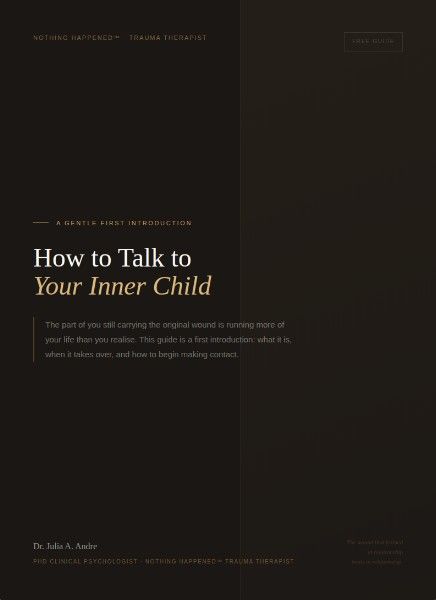
How to Talk to Your Inner Child guide cover
Not ready to talk yet? Start here, free

How to Talk to Your Inner Child

A gentle first introduction: what the inner child is, how to recognise when it's speaking, and how to begin making contact.
Free. Sent straight to your inbox. Unsubscribe anytime.
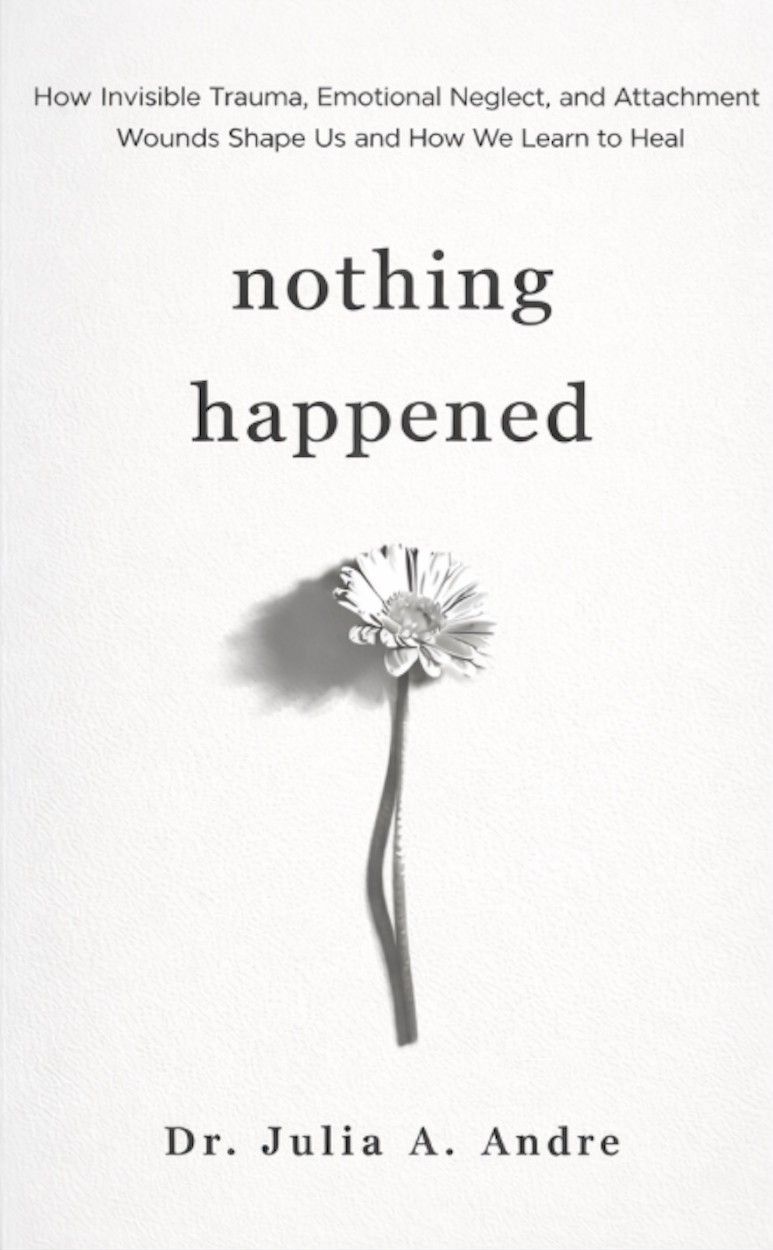
Nothing Happened book cover

Want the full picture? Omission trauma is the subject of my book, Nothing Happened: how invisible trauma, emotional neglect and attachment wounds shape us, and how we learn to heal.

Get the book →


Keep exploring.

All resources →
Also treated CPTSD When trauma was repeated or prolonged, not a single event. Read more → Also treated Dissociation Quiet, high-functioning disconnection that is easy to miss. Read more →
Related reading Nothing happened. So why do you feel this way? → Why the same relationship keeps happening. →
A leather sofa with a round cushion in a quiet, light room
If this sounds like you

Begin with a conversation.

A free 20-minute discovery call. No preparation needed, and no pressure to decide anything.

Book a free discovery call Get the free guide

This work is for adults (18+). I can't offer crisis or emergency support: if you are in danger right now, contact your local emergency number or find a helpline at Befrienders Worldwide.

Dr. Julia A. AndreBeyond PTSD · Trauma Specialist
Clients / What I treat

Omission trauma.
The wound of what never came.

“Nothing bad really happened. But something is still missing, and you don't know why.”

The wound of what didn't happen: the attunement, protection, or acknowledgement that never came. Often invisible, rarely named, deeply formative. It is the wound Dr. Andre writes about in her book, Nothing Happened.

Book a free discovery call Ways to work with me
Sound familiar? It tends to show up as
  • Never complaining, deciding your needs aren't big enough to mention
  • Almost wishing something clearly bad had happened, so the pain had a reason
  • Fierce independence that never feels optional
  • A loneliness that makes no sense on paper
How I work with it

Real, and treatable, without an event to point to.

It rarely looks like trauma from the outside. There's no single event, just an absence, carried quietly, often for years.

The adaptations can be reached, not through more understanding alone, but through experiential work that goes to where the wound lives: the body, the nervous system, and the younger parts of you.

Experiential workSchema therapy →Parts work
AttunementComfortProtectionBeing seenDelight

Omission trauma is shaped by what never came. The work gives those experiences now, so the younger parts can finally take them in.

The loneliness that makes no sense

The people were there. But a particular kind of being met never was.

How I work with omission trauma

Naming what was missing. Then giving it, now.

01

Name it

The first step is recognising that something real is missing, without needing an event to justify it. For many people this alone brings relief: the loneliness, the fierce independence and the flatness finally make sense.

02

Reach it

Insight is not enough, because the wound formed before words. We work experientially: schema therapy imagery, parts work and body-based regulation, so the younger parts of you can have the experiences of attunement and protection that never came.

03

Live it

As those needs get met inside the work, people often notice they can ask for things, rest without guilt and let others get closer. This phase is about taking that into your relationships and daily life.

Common questions
Nothing actually happened to me. How can this be trauma?

Because trauma isn't only caused by what happens to you. It can come from what should have happened and didn't. The wound of absence is real and treatable, even without an event to point to.

Why do I feel so much shame, if nothing really happened?

Because omission trauma tends to teach a very specific shame: the sense that needing something was itself the problem. Without an event to point to, many people quietly conclude the fault must be in them.

Is omission trauma an official diagnosis?

No. Omission trauma is the name I use for a pattern I see often in practice: harm that comes from what was missing, such as emotional neglect and lack of attunement. The research on childhood emotional neglect is well established. Some people with this history also meet criteria for CPTSD, and we can look at that together.

How is omission trauma different from emotional neglect?

Emotional neglect describes what happened in the environment. Omission trauma describes what it leaves in you: the shame, the self-reliance, and the sense that your needs are too much or don't count. The name puts the focus on the wound that needs healing.

Can I have omission trauma if my parents loved me?

Yes. Many parents love their children and still can't meet them emotionally, often because no one met them either. Naming the gap is not about blame. It is about taking your own experience seriously.

How long does it take to heal?

It varies. Because the patterns are old and quiet, the work is usually steady rather than dramatic. We review together regularly how it is going, so you always know where you are.

How to Talk to Your Inner Child guide cover
Free guide

How to Talk to Your Inner Child

Not ready to talk yet? A gentle first introduction: what the inner child is, how to recognise when it's speaking, and how to begin making contact.

Nothing Happened book cover
Want the full picture? Omission trauma is the subject of my book, Nothing Happened. Get the book →
Keep exploring
CPTSD→Dissociation→Related articleNothing happened. So why do you feel this way?Related articleWhy the same relationship keeps happening.
A leather sofa with a round cushion in a quiet, light room
If this sounds like you

Begin with a conversation.

Book a free discovery call Get the free guide

This work is for adults (18+). I can't offer crisis or emergency support: if you are in danger right now, contact your local emergency number or find a helpline at Befrienders Worldwide.